🗣️ Classroom Conversation: Advanced Uses of Present Indefinite Tense (Easy Guide)
(दृश्य: अमित सर क्लास में मुस्कुराते हुए प्रवेश करते हैं। बोर्ड पर बड़े अक्षरों में लिखा है—USES OF PRESENT INDEFINITE TENSE। प्रिया और रोहन अपनी नोटबुक के साथ कुछ नया सीखने के लिए उत्सुक बैठे हैं।)
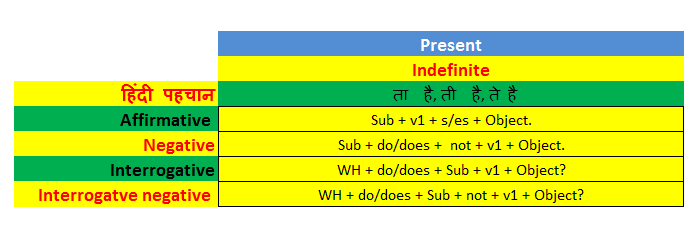
अमित सर: Hello, my dear friends! पिछली क्लास में हमने प्रेजेंट इंडेफिनेट टेंस के बेसिक स्ट्रक्चर्स को समझा था। आज हम सीखेंगे कि असल जिंदगी में, परीक्षाओं में और एडवांस इंग्लिश में इस टेंस का उपयोग कहाँ-कहाँ और कैसे किया जाता है।
प्रिया: सर, कई बार परीक्षाओं में समझ नहीं आता कि खाली स्थान (Fill in the blanks) में कौन सा टेंस भरें। क्या इसकी कोई खास पहचान या वर्ड्स होते हैं?
अमित सर: बिल्कुल, प्रिया! इसके लिए हमें Adverbs of Time (समय सूचक शब्दों) को समझना होगा। ये शब्द हमें बताते हैं कि कोई काम कितनी बार या किस नियमितता से होता है।
⏱️ Common Time Adverbs (पहचानने की जादुई चाबी)
जब भी आपको किसी वाक्य में ये समय सूचक शब्द दिखाई दें, तो समझ जाइए कि वहाँ आमतौर पर Present Indefinite Tense का ही प्रयोग होगा:
आवृत्ति बताने वाले (Frequency): हमेशा (always), अक्सर (often), प्रायः (frequently), कभी-कभी (sometimes), शायद ही कभी (seldom/rarely), कभी नहीं (never), सामान्यतः/आमतौर पर (usually/generally)।
नियमितता बताने वाले (Regularity): रोज़/प्रतिदिन (every day/daily), हर सप्ताह (every week), हर महीने (every month), हर साल (every year)।
निश्चित समय/दिन: सोमवार को (on Mondays), सुबह (in the morning), शाम (in the evening) आदि।
💡 अमित सर का उदाहरण: “वह सुबह टहलने जाता है” – He goes for a walk in the morning. यहाँ “in the morning” यह स्पष्ट करता है कि यह उसकी रोज़ की दिनचर्या है।
7 Master Uses of Present Indefinite Tense
रोहन: सर, क्या इस टेंस का प्रयोग केवल आदतों को बताने के लिए ही होता है या कहीं और भी?
अमित सर: रोहन, इस टेंस के 7 सबसे महत्वपूर्ण उपयोग हैं, जो आपकी स्पोकन इंग्लिश और ग्रामर दोनों को परफेक्ट बना देंगे। आइए इन्हें इस मास्टर टेबल के ज़रिए समझते हैं:
| # | उपयोग (Usage) | विवरण (Description) | लाइव उदाहरण (English & Hindi) |
| 1 | Habitual Actions (दैनिक दिनचर्या / आदतें) | वे कार्य जो हम अपनी रोज़मर्रा की ज़िंदगी में नियमित या बार-बार करते हैं। | I wake up at 6 AM. (मैं सुबह 6 बजे उठता हूँ।) |
| 2 | Universal Truths (सार्वभौमिक या वैज्ञानिक सत्य) | ऐसे कथन जो हमेशा सच रहते हैं और समय या प्रकृति के नियम के अनुसार कभी नहीं बदलते। | Water boils at 180°F (100°C). (पानी 100°C पर उबलता है।) |
| 3 | Opinions & Beliefs (राय, विचार या विश्वास) | किसी व्यक्ति की निजी सोच या भावनाएँ व्यक्त करने के लिए (think, believe, feel, agree)। | She believes in honesty. (वह ईमानदारी में विश्वास रखती है।) |
| 4 | Scheduled Events (समय-सारणी / तय योजनाएं) | भविष्य की ऐसी निश्चित योजनाएं जो किसी टाइमटेबल के तहत होती हैं (जैसे ट्रेन, स्कूल, ऑफिस का समय)। | The train leaves at 7 PM. (ट्रेन शाम 7 बजे रवाना होती है।) |
| 5 | Newspaper Headlines (अख़बार की सुर्खियाँ) | समाचार को ताज़ा, आकर्षक और प्रभावशाली बनाने के लिए सुर्खियाँ हमेशा इसी टेंस में लिखी जाती हैं। | India wins the match. (भारत ने मैच जीता/जीत दर्ज की।) |
| 6 | Live Commentaries (खेल या आँखों देखा हाल) | खेल के मैदान या लाइव रिपोर्टिंग में घटनाओं का रियल-टाइम (उसी समय) वर्णन करने के लिए। | Virat hits a six! (विराट ने छक्का मारा!) |
| 7 | Proverbs & Quotations (लोकोक्तियाँ या महापुरुषों के कथन) | पारंपरिक ज्ञान, नैतिक शिक्षा या किसी के कहे गए महत्वपूर्ण विचारों को स्थायी रूप से दर्शाने के लिए। | Honesty is the best policy. (ईमानदारी सबसे अच्छी नीति है।) |
🎓 Conclusion: अमित सर का मास्टर रीकैप
अमित सर: तो मेरे प्यारे दोस्तों, आज की क्लास का निचोड़ यह है कि चाहे आपको अपनी कोई आदत बतानी हो, विज्ञान का नियम समझाना हो, अख़बार की हेडलाइन लिखनी हो या मैच की कॉमेंट्री करनी हो—हर जगह Present Indefinite Tense ही आपका सबसे बड़ा मददगार है। बस सब्जेक्ट सिंगुलर होने पर वर्ब में -s/-es लगाना मत भूलना!
रोहन और प्रिया (एक साथ): थैंक यू सो मच अमित सर! अब हमें इस टेंस के सारे एडवांस उपयोग बहुत आसानी से समझ आ गए हैं!
Happy Learning, and keep practicing with EnglishEraWithAmitPoonia!