🗣️ Classroom Conversation: Common Uses of Present Continuous Tense (Advanced Guide)
(दृश्य: अमित सर क्लास में मुस्कुराते हुए प्रवेश करते हैं। बोर्ड पर बड़े अक्षरों में लिखा है—ADVANCED USES OF PRESENT CONTINUOUS। प्रिया और रोहन अपनी नोटबुक खोलकर बिल्कुल तैयार बैठे हैं।)
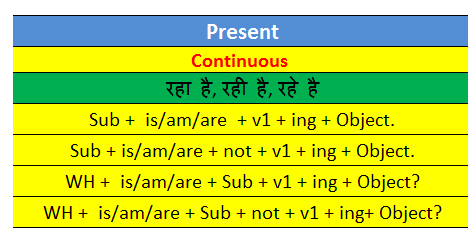
अमित सर: Hello, my dear friends! पिछली क्लास में हमने प्रेजेंट कंटीन्यूअस टेंस के बेसिक स्ट्रक्चर्स को समझा था। आज हम इसके उन 6 जादुई उपयोगों (Common Uses) को सीखेंगे जो आपकी स्पोकन और रिटन इंग्लिश को एकदम परफेक्ट बना देंगे।
प्रिया: सर, मुझे तो बस यही पता था कि जो काम हमारी आँखों के सामने लाइव चल रहा है, सिर्फ वहीं इस टेंस का इस्तेमाल होता है। क्या इसके और भी उपयोग हैं?
अमित सर: बहुत से लोग यही सोचते हैं, प्रिया! लेकिन ऐसा बिल्कुल नहीं है। आइए, आज इसके सभी महत्वपूर्ण नियमों को आसान भाषा में और कम से कम उदाहरणों के साथ इस मास्टर टेबल के ज़रिए समझते हैं।
6 Master Uses of Present Continuous Tense
| # | उपयोग (Usage) | विवरण (Description) | लाइव उदाहरण (English & Hindi) |
| 1 | Actions happening right now (बोलते समय हो रहे कार्य) | उन लाइव गतिविधियों के लिए जो ठीक अभी, यानी बोलते या लिखते समय असलियत में चल रही हैं। | I am reading a grammar book right now. (मैं अभी व्याकरण की किताब पढ़ रहा हूँ।) |
| 2 | Around the present time (वर्तमान के आसपास होने वाले कार्य) | ऐसी अस्थायी स्थितियां जो इस हफ्ते या महीने प्रोग्रेस में तो हैं, पर ज़रूरी नहीं कि बोलते समय ठीक इसी सेकंड हो रही हों। | They are working on a new project these days. (वे इन दिनों एक नए प्रोजेक्ट पर काम कर रहे हैं।) |
| 3 | Future plans & arrangements (भविष्य की पक्की योजनाएं) | निकट भविष्य की ऐसी योजनाएं या व्यवस्थाएं जो पहले से ही बिल्कुल पक्की या तय हो चुकी हैं। | I am meeting my English teacher tomorrow. (मैं कल अपने अंग्रेजी शिक्षक से मिल रहा हूँ।) |
| 4 | Changing/Developing situations (बदलती या विकसित होती परिस्थितियां) | ऐसी गतियाँ या धीरे-धीरे होते बदलाव जो स्थायी नहीं हैं बल्कि लगातार विकास या परिवर्तन की प्रक्रिया में हैं। | The weather is getting colder day by day. (मौसम दिन-ब-दिन ठंडा होता जा रहा है।) |
| 5 | Repeated actions with “always” (चिढ़ या शिकायत व्यक्त करना) | जब ‘always’ के साथ इस टेंस का प्रयोग हो, तो इसका उद्देश्य बार-बार होने वाले किसी काम के प्रति अपनी शिकायत या चिढ़ दिखाना होता है। | She is always forgetting her keys. (वह हमेशा अपनी चाबियां भूल जाती है।) |
| 6 | Temporary habits (अस्थायी आदतें / दिनचर्या) | हमारी ऐसी आदतें जो कुछ ही समय के लिए हैं और स्थायी नहीं हैं। इनमें these days, this week जैसे शब्द आते हैं। | She is eating a lot of junk food these days. (वह इन दिनों बहुत ज्यादा जंक फूड खा रही है।) |
⚠️ अमित सर की दो स्पेशल क्लास टिप्स (Pro Tips)
रोहन: सर, क्या इन एडवांस नियमों में भी कोई ऐसी बात है जिसका हमें विशेष ध्यान रखना चाहिए?
अमित सर: बिल्कुल रोहन! दो बातें अपनी डायरी में हमेशा के लिए नोट कर लो:
टिप 1 (Future Plans): जब आप भविष्य की योजना बताने के लिए इस टेंस का उपयोग करें, तो वाक्य में समय का संदर्भ (tomorrow, next week, this evening) देना बहुत ज़रूरी है। अगर आप फ्यूचर टाइम नहीं लिखेंगे, तो वाक्य ऐसा लगेगा जैसे काम अभी इसी वक्त हो रहा है।
टिप 2 (The “Always” Exception): आमतौर पर ‘always’ का प्रयोग प्रेजेंट इंडेफिनेट (Simple Present) में होता है। लेकिन जब कोई व्यक्ति किसी काम को बार-बार करके आपको परेशान करता है या आप शिकायत करते हैं, तभी ‘always’ को प्रेजेंट कंटीन्यूअस में लगाया जाता है।
🎓 Conclusion: अमित सर का मास्टर रीकैप
अमित सर: तो मेरे प्यारे दोस्तों, आज की क्लास का सार यह है कि Present Continuous का दायरा सिर्फ आँखों के सामने चल रहे काम तक सीमित नहीं है। बदलती परिस्थितियां, चिढ़ाने वाली आदतें, अस्थायी रूटीन और यहाँ तक कि कल होने वाली पक्की प्लानिंग को भी हम इसी टेंस से बयां करते हैं। इन 6 नियमों को याद रखकर आप बिना किसी गलती के आसानी से खुद से सही वाक्य बना सकते हैं।
रोहन और प्रिया (एक साथ): थैंक यू सो मच अमित सर! प्रेजेंट कंटीन्यूअस टेंस के ये एडवांस उपयोग अब हमारे दिमाग में पूरी तरह क्लियर हो गए हैं!
Happy Learning, and keep practicing with EnglishEraWithAmitPoonia!