🗣️ Classroom Conversation: What is Present Perfect Tense? (Easy Guide)
(दृश्य: अमित सर क्लास में मुस्कुराते हुए प्रवेश करते हैं। बोर्ड पर बड़े अक्षरों में लिखा है—PRESENT PERFECT TENSE (वर्तमान पूर्ण काल)। प्रिया और रोहन अपनी नोटबुक के साथ तैयार बैठे हैं।)
अमित सर: Hello, my dear friends! आज हम अंग्रेजी व्याकरण का एक बेहद महत्वपूर्ण काल सीखने जा रहे हैं। आज की क्लास में हम बात करेंगे—Present Perfect Tense के बारे में। यह काल हमारे जीवन के अनुभवों और हाल ही में पूरे हुए कामों को बताने के लिए सबसे ज़रूरी है।
प्रिया: सर, इस टेंस का इस्तेमाल हम असल जिंदगी में कब करते हैं और इसकी हिंदी पहचान क्या है?
अमित सर: बहुत अच्छा सवाल है, प्रिया! इस Tense का उपयोग मुख्य रूप से तीन स्थितियों में किया जाता है:
जो कार्य अभी-अभी पूरे हुए हैं (Just Completed Actions)।
जिनका प्रभाव वर्तमान में दिखाई देता है (Present Result)।
जो भूतकाल में शुरू होकर अभी तक जारी हैं।
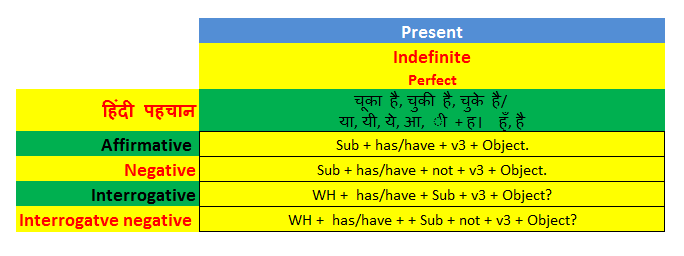
🔍 हिंदी में पहचान: इस टेंस के हिंदी वाक्यों के अंत में अक्सर “चुका है, चुकी है, चुके हैं, लिया है, दिया है, गया है” या क्रिया के अंत में “या, यी, ये, आ, ई + है/हूँ/हैं” आता है।
Present Perfect के दो जादुई रहस्य (Secret Concepts)
रोहन: सर, इस टेंस में ऐसी कौन सी बातें हैं जहाँ अक्सर छात्र भ्रमित (Confuse) हो जाते हैं?
अमित सर: रोहन, इस टेंस के दो बहुत बड़े रहस्य हैं, जिन्हें समझ डाला तो लाइफ झिंगालाला:
रहस्य 1: वर्तमान पर प्रभाव (Present Effect)
कोई काम भूतकाल (Past) में पूरी तरह खत्म हो चुका है, लेकिन उसका परिणाम या असर बिल्कुल अभी वर्तमान समय में महसूस हो रहा है।
जैसे: मैंने अपनी चाबी खो दी है। (I have lost my key.)
लॉजिक: चाबी खोने का काम पास्ट में हुआ, लेकिन इसका वर्तमान असर यह है कि चाबी अभी आपके पास नहीं है और आप बाहर खड़े हैं।
रहस्य 2: अपूर्ण कार्य (Uncompleted Work)
कोई काम भूतकाल में शुरू तो हुआ था, लेकिन वह इस वर्तमान पल तक अभी भी पूरा नहीं हुआ है। ऐसे वाक्यों में yet (अभी तक) या so far हमारे सबसे अच्छे दोस्त बनते हैं।
जैसे: मैंने अभी तक अपना होमवर्क पूरा नहीं किया है। (I have not finished my homework yet.)
⚙️ Auxiliary Verbs (Has / Have) का नियम
प्रिया: सर, इसमें Has और Have का प्रयोग किसके साथ किया जाता है?
अमित सर: यह नियम बहुत सीधा है, प्रिया! इसे अच्छे से याद कर लो:
Has: सभी Singular Subjects (He, She, It, Name) के साथ आता है।
Have: सभी Plural Subjects (I, We, You, They) के साथ आता है।
💡 याद रखें: इस पूरे टेंस में हमेशा Verb की 3rd Form (V3) का ही प्रयोग होता है।
Present Perfect Tense: Master Reference Table
आइए इस टेंस के सभी वाक्य रूपों (Structures) को उनके नियमों और क्रिस्प उदाहरणों के साथ एक ही टेबल में समझ लेते हैं:
| वाक्य का प्रकार (Sentence Type) | वाक्य संरचना (Sentence Structure) | इंग्लिश उदाहरण (English Example) | हिंदी अनुवाद (Hindi Translation) |
| Affirmative (सकारात्मक) | Subject + has/have + V3 + Object | I have finished my work. | मैं अपना काम पूरा कर चुका हूँ। |
| Negative (नकारात्मक) | Subject + has/have + not + V3 + Object | I have not finished my work. | मैंने अपना काम पूरा नहीं किया है। |
| Interrogative (प्रश्नवाचक) | Has/Have + Subject + V3 + Object? | Have you finished your work? | क्या तुमने अपना काम पूरा कर लिया है? |
| Negative Interrogative | Has/Have + Subject + not + V3 + Object?
(Or: Hasn’t/Haven’t + Sub + V3…) | Have you not finished your work? | क्या तुमने अपना काम पूरा नहीं किया है? |
| Wh- Interrogative | Wh-word + has/have + Subject + V3 + Object? | Why have you done this? | तुमने यह क्यों किया है? |
| Wh- Neg Interrogative | Wh-word + hasn’t/haven’t + Subject + V3 + Object? | What have you not done? | तुमने क्या नहीं किया है? |
🎓 Conclusion: अमित सर का मास्टर रीकैप
अमित सर: तो मेरे प्यारे दोस्तों, आज की क्लास का सार यह है कि जब भी कोई काम वर्तमान में पूरी तरह ‘Perfect’ (पूरा) हो चुका हो, तो सब्जेक्ट के अनुसार has/have लगाओ और वर्ब की तीसरी फॉर्म (V3) चिपका दो। इन आसान नियमों को समझकर आप बिना किसी गलती के आसानी से खुद से अनगिनत वाक्य बना सकते हैं।
रोहन और प्रिया (एक साथ): थैंक यू सो मच अमित सर! प्रेजेंट परफेक्ट टेंस का यह कॉन्सेप्ट अब हमारे दिमाग में पूरी तरह लॉक हो गया है!
Happy Learning, and keep practicing with EnglishEraWithAmitPoonia!